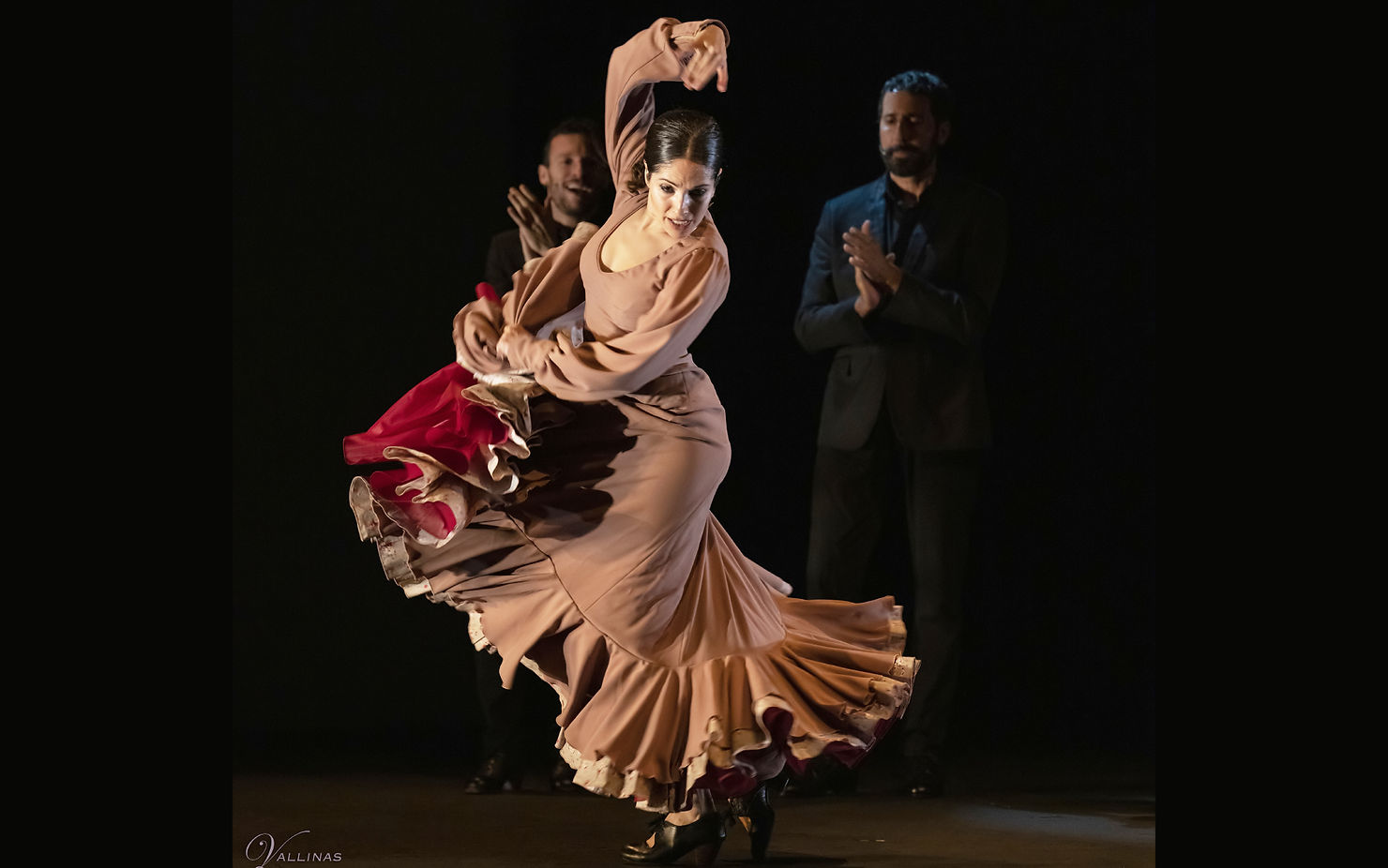
Flamenco is not just a style of music or dance; it is an art form deeply rooted in the cultural fabric of southern Spain, particularly Andalusia. Known for its passionate expression, intricate rhythms, and soulful melodies, flamenco has captivated audiences worldwide, becoming a symbol of Spain’s vibrant cultural heritage.

The Origins of Flamenco
The origins of flamenco are as complex and layered as the art itself. It is a fusion of various cultural influences, including those of the Gypsies (Roma people), Moors, Sephardic Jews, and native Andalusians. These communities coexisted in Andalusia for centuries, creating a melting pot of traditions that gave birth to flamenco. While its exact origins remain debated, most agree that flamenco as we know it began to take shape in the 18th century.
The Elements of Flamenco
Flamenco consists of three main elements:
- Cante (Song): The heart of flamenco, cante is characterized by its raw, emotional intensity. There are different styles of cante, ranging from the profoundly sorrowful cante jondo to the lighter, more festive cante chico.
- Baile (Dance): Flamenco dance is both expressive and disciplined. Dancers use their bodies, feet, and arms to convey stories and emotions, often punctuated by powerful footwork and graceful arm movements.
- Toque (Guitar Playing): The flamenco guitar, or toque, is renowned for its rhythmic complexity and melodic depth. Flamenco guitarists are not merely accompanists; they are storytellers in their own right, weaving intricate musical narratives.
The Spirit of Duende
Central to flamenco is the concept of duende, a term that defies direct translation. Often described as a deep, almost mystical emotional connection, duende is the soul of flamenco, the force that elevates a performance from the technical to the transcendent. When an artist truly embodies duende, their performance can move audiences to tears or ecstatic joy.
Modern Flamenco
While flamenco remains deeply tied to tradition, it has also evolved over time. Modern flamenco incorporates elements from jazz, rock, and even electronic music, broadening its appeal and creating new subgenres. Artists like Paco de Lucía, Camarón de la Isla, and Rosalía have pushed the boundaries of flamenco, bringing it to new audiences without losing its essence.
Why Flamenco Matters
Flamenco is more than an art form; it is a living testament to the resilience and creativity of Andalusian culture. It tells stories of joy, pain, love, and loss, connecting people across time and borders. To experience flamenco is to witness the power of human expression at its most profound.
Whether you’re a lifelong aficionado or a curious newcomer, flamenco invites you to explore its rich history, vibrant present, and boundless future. So the next time you hear the strum of a flamenco guitar or the haunting wail of a cantaor, let yourself be transported to the heart of Andalusia, where passion and artistry converge.
By Elisa